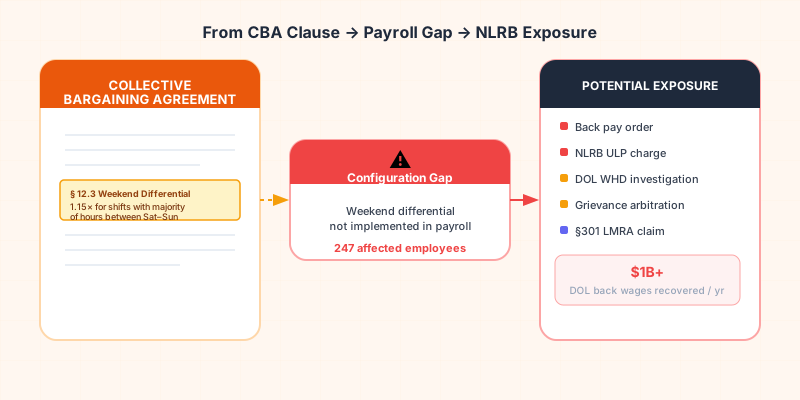
Most wage-and-hour violations under collective bargaining agreements are not intentional. They're structural — and they're exactly the kind of gap the NLRB and DOL pursue.
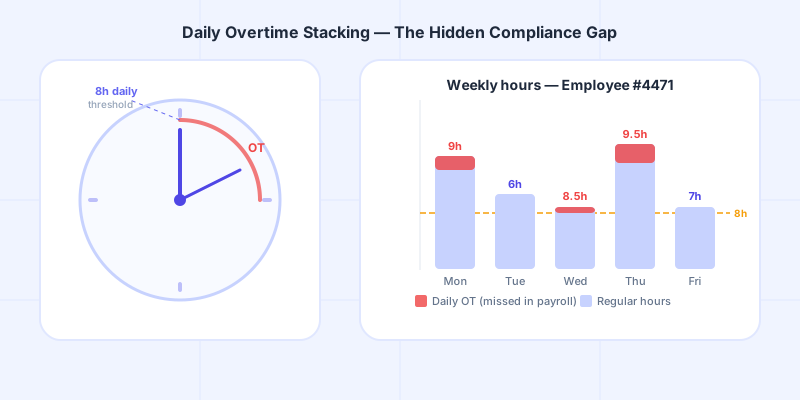
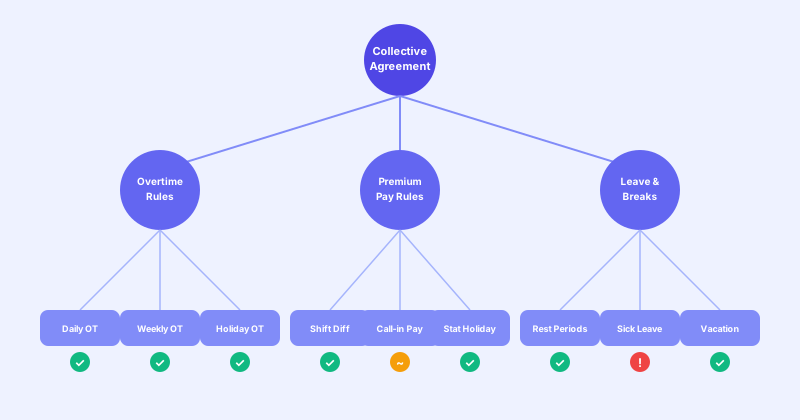
Overtime under a collective agreement isn't just the Canada Labour Code or an ESA. It's a layered set of rules that most payroll configurations only partially implement.
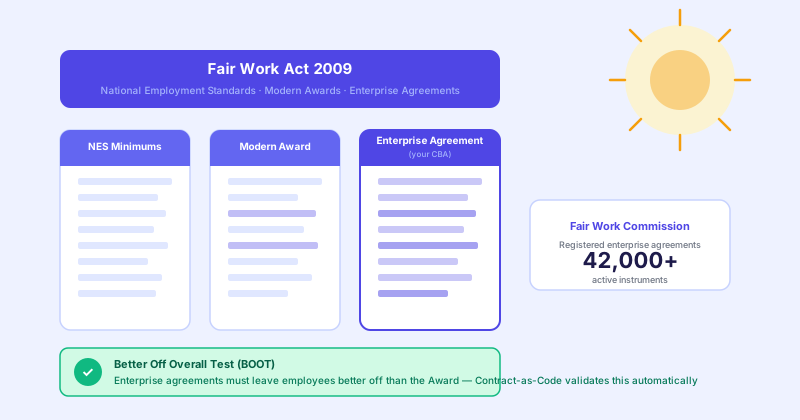
Australia's enterprise agreements must satisfy the Better Off Overall Test and remain compliant with National Employment Standards. Here's where payroll teams consistently get it wrong.
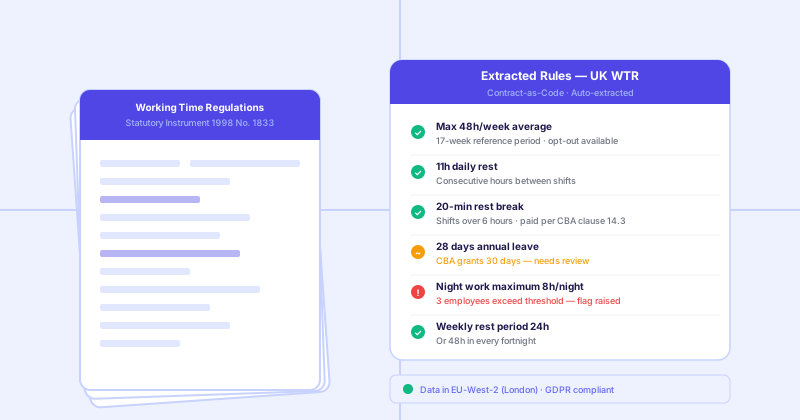
The Working Time Regulations 1998 set statutory minimums, but collective agreements can modify most of them. Here's where the risks lie — and where payroll teams most often miss the obligations.
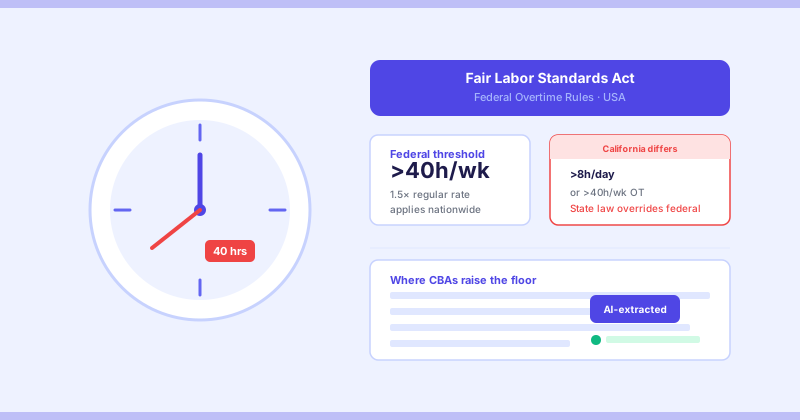
The Fair Labor Standards Act sets a federal floor for overtime. But CBAs can — and frequently do — raise that floor in ways that payroll systems miss entirely.
Overtime, shift premiums, vacation, wages, termination, and grievance procedures account for most payroll compliance findings. Here's what HR teams miss in each.
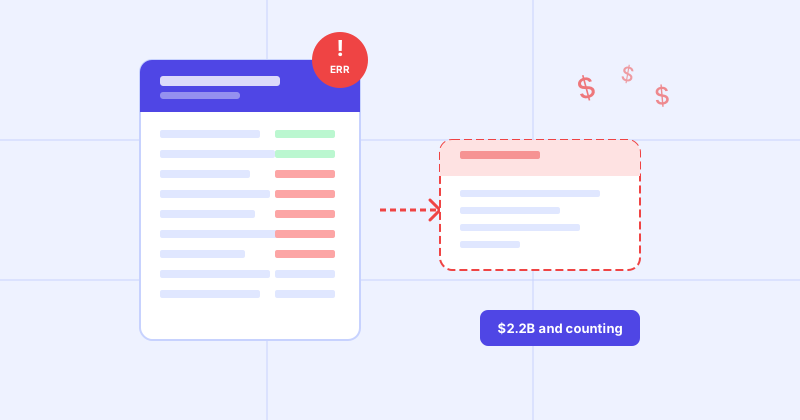
Canada's $2.2 billion payroll disaster happened because there was no reliable bridge between collective agreement rules and system logic. That problem hasn't gone away.